
COPD
Chronic Obstructive Pulmonary Disease (COPD) Specialist in Colorado
What is COPD?
Chronic Obstructive Pulmonary Disease (COPD) is a long-term condition that makes it harder to breathe. It includes two main problems:
-
Chronic bronchitis: long-term inflammation of the airways causing cough and mucus
-
Emphysema: damage to the air sacs in the lungs
-
Many patients have features of both.
COPD gets worse over time, but there are effective treatments that can improve breathing, energy, and quality of life.
Common Symptoms:
Patients may experience:
-
Shortness of breath, especially with activity
-
Chronic cough
-
Mucus (phlegm) production
-
Wheezing or chest tightness
-
Fatigue
-
Frequent respiratory infections
If symptoms suddenly worsen, this is called a COPD exacerbation.
Common Causes
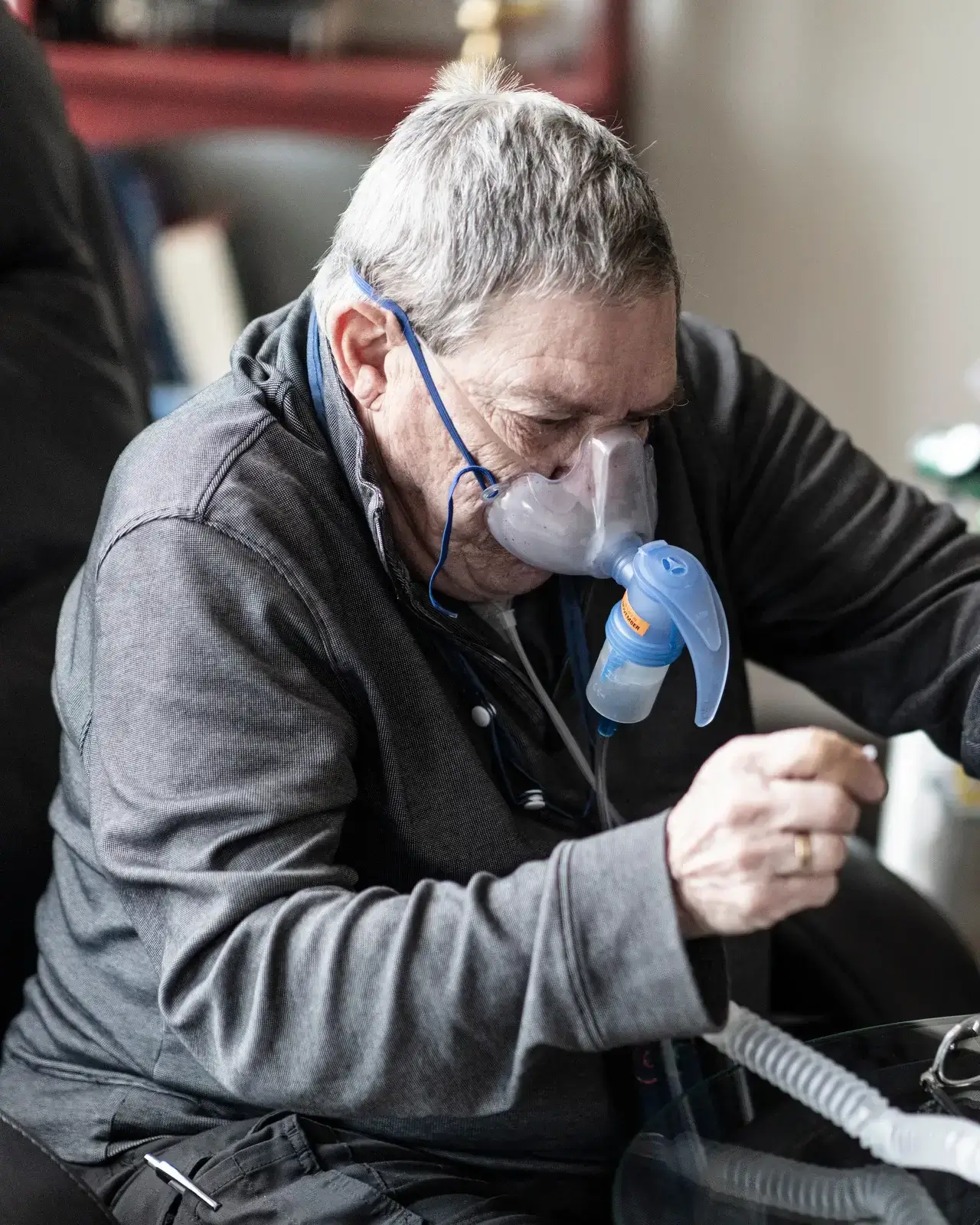
The most common cause is cigarette smoking. Other causes can include:
-
Secondhand smoke
-
Exposure to dust, fumes, or air pollution
-
Genetics (including alpha-1 antitrypsin deficiency)
How is COPD Diagnosed?
Diagnosis usually includes:
-
Spirometry: a breathing test to measure lung function
-
Chest imaging (X-ray or CT scan)
-
Pulse oximetry or blood gas testing
-
Review of symptoms and exposures
COPD Exacerbations
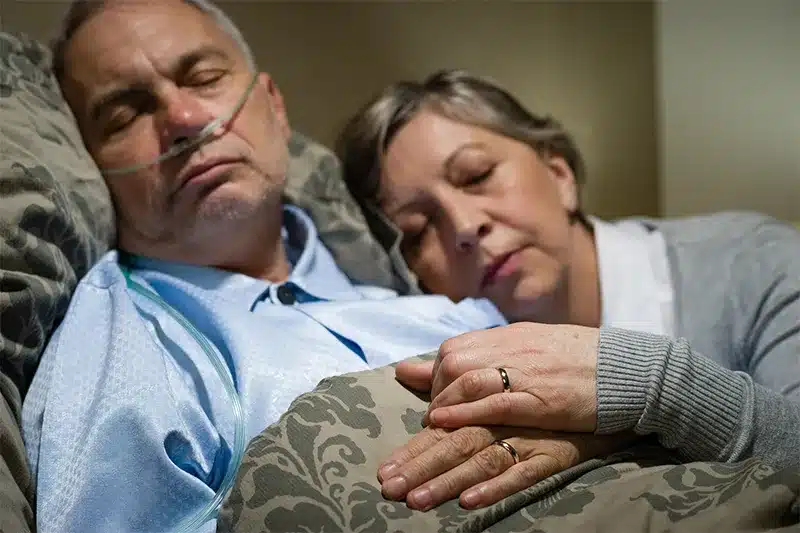
A “flare-up” of symptoms may include:
-
Increased shortness of breath
-
More coughing
-
More mucus or change in mucus color
-
Fever or chills
Call your healthcare provider if this happens. Early treatment may include steroids, antibiotics, or increased inhaler use.
Treatments offered:
1. Inhaled Medications
These help open the airways and reduce inflammation.
- Bronchodilators (short-acting and long-acting)
- Inhaled corticosteroids
- Combination inhalers
Using the inhaler correctly is essential—your provider can review technique.
2. Oxygen Therapy
Some patients need oxygen if their levels are chronically low.
3. Pulmonary Rehabilitation
A structured program of exercise, breathing techniques, and education that improves symptoms and quality of life.
4. Vaccinations
Flu, pneumococcal, RSV, and COVID vaccines help prevent serious infections.
5. Lifestyle and Support
- Smoking cessation
- Staying active
- Healthy nutrition
- Avoiding triggers (pollution, smoke, illness exposure)
6. Advanced Therapies
For some:
- Lung volume reduction procedures
- Lung transplant evaluation
- Treatment for alpha-1 antitrypsin deficiency
Frequently Asked Questions
Is COPD the same as asthma?
No. Asthma usually begins earlier in life and is more reversible. COPD is typically caused by long-term exposure (like smoking) and leads to progressive breathing limitation. Some patients have asthma-COPD overlap, which includes features of both.
Can COPD be cured?
There is no cure, but treatments can significantly improve breathing, symptoms, and quality of life. Many patients lead active, fulfilling lives with proper care.
Should I exercise if I have COPD?
Yes—staying active is one of the best things you can do. Pulmonary rehab teaches safe, effective exercises and breathing techniques.
Can COPD affect sleep?
Yes. COPD can cause nighttime awakenings, low oxygen during sleep, and overlap with sleep apnea. A sleep evaluation may be recommended if you snore, wake unrested, or feel sleepy during the day.